
Mulebuy Spreadsheet Tutorial for Beginners Step by Step
Discover fast-growing products using the Mulebuy Spreadsheet system. Mulebuy Spreadsheet offers organized product discovery for smarter shopping decisions.
7/2/20262 min read
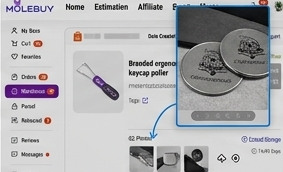
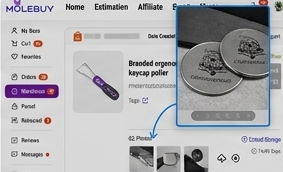
Mulebuy Spreadsheet Tutorial for Beginners Step by Step
Getting started in e-commerce or dropshipping can feel overwhelming, especially when you are dealing with hundreds of product options, suppliers, and pricing variations. In 2026, the fastest-growing sellers are not just those who find products—they are the ones who organize and analyze them efficiently. The Mulebuy Spreadsheet is one of the simplest systems beginners can use to structure product research and build a scalable sourcing workflow.
This step-by-step tutorial explains exactly how beginners can use the Mulebuy Spreadsheet from scratch.
What Is the Mulebuy Spreadsheet?
The Mulebuy Spreadsheet is a structured product tracking tool used by sellers sourcing through platforms like Mulebuy.
Instead of saving product links randomly, users organize everything into a spreadsheet that functions like a personal sourcing database.
It typically includes:
Product name and images
Supplier information
Cost and shipping details
Selling price estimates
Profit margin calculations
Demand indicators
Notes and performance tracking
This structure helps beginners make data-driven decisions instead of guessing.
Step 1: Set Up Your Spreadsheet Structure
Before adding any products, create a clean layout.
Recommended columns:
Product Name
Category
Supplier Link
Cost Price
Shipping Cost
Estimated Selling Price
Profit Margin
Demand Score
Notes
A well-structured sheet is the foundation of good product research.
Step 2: Choose a Product Niche
Selecting a niche helps you stay focused and avoid random product hunting.
Popular beginner-friendly niches include:
Fashion accessories
Home gadgets
Beauty products
Fitness equipment
Pet supplies
Phone accessories
A focused niche improves research efficiency and decision-making.
Step 3: Collect Product Ideas
Start gathering potential products from multiple sources:
TikTok trending videos
Amazon Best Sellers
AliExpress trending lists
Facebook ads
Competitor stores
Social media influencers
Every idea should be added immediately into your spreadsheet for evaluation later.
Step 4: Input Product Data Accurately
For each product, enter:
Supplier details
Purchase price
Shipping cost
Estimated retail price
Delivery time
Accuracy is critical. Incorrect data leads to wrong profit calculations and poor decisions.
Step 5: Calculate Profit Margin
Use a simple formula:
Profit = Selling Price – (Product Cost + Shipping Cost + Fees)
This step helps you quickly identify whether a product is worth selling.
Set a minimum profit threshold (e.g., 20%–40%) to filter weak products.
Step 6: Compare Multiple Suppliers
Never rely on a single supplier. Always compare:
Pricing differences
Shipping speed
Product quality
Stock reliability
Communication response time
Sometimes the best supplier is not the cheapest, but the most reliable.
Step 7: Analyze Demand
A profitable product must also have demand.
Track indicators like:
Social media engagement
Search trends
Competitor listings
Ad frequency
You can add a “Demand Score” column to simplify evaluation.
Step 8: Identify Potential Winning Products
After analysis, move strong products into a separate section such as:
“Testing Products”
“Winning Candidates”
Look for:
High demand
Strong profit margins
Reliable suppliers
Moderate competition
This helps you focus only on high-potential items.
Step 9: Test Products Before Scaling
Do not scale immediately. Instead:
Run small ad budgets
Test limited inventory
Monitor conversion rates
Collect customer feedback
Only scale products that show real performance, not just spreadsheet potential.
Step 10: Keep Your Spreadsheet Updated
A spreadsheet is only useful if it stays current.
Update regularly:
Prices
Shipping times
Supplier availability
Product performance
Outdated data leads to poor business decisions.
Common Beginner Mistakes
Avoid these errors when using the Mulebuy Spreadsheet:
Adding too many unverified products
Ignoring shipping costs
Overestimating profit margins
Not updating data regularly
Choosing products based on hype alone
Skipping supplier comparison
A clean and disciplined system always performs better than a messy one.
Final Thoughts
The Mulebuy Spreadsheet is more than just a beginner tool—it is a structured system for building a profitable product research workflow. By organizing data, calculating profits, and tracking demand, beginners can make faster and smarter decisions.
In 2026’s competitive e-commerce environment, success depends on structure, speed, and accuracy. A well-maintained spreadsheet gives you all three.
mulebuy
China
Support
info@mulebuylist.com